
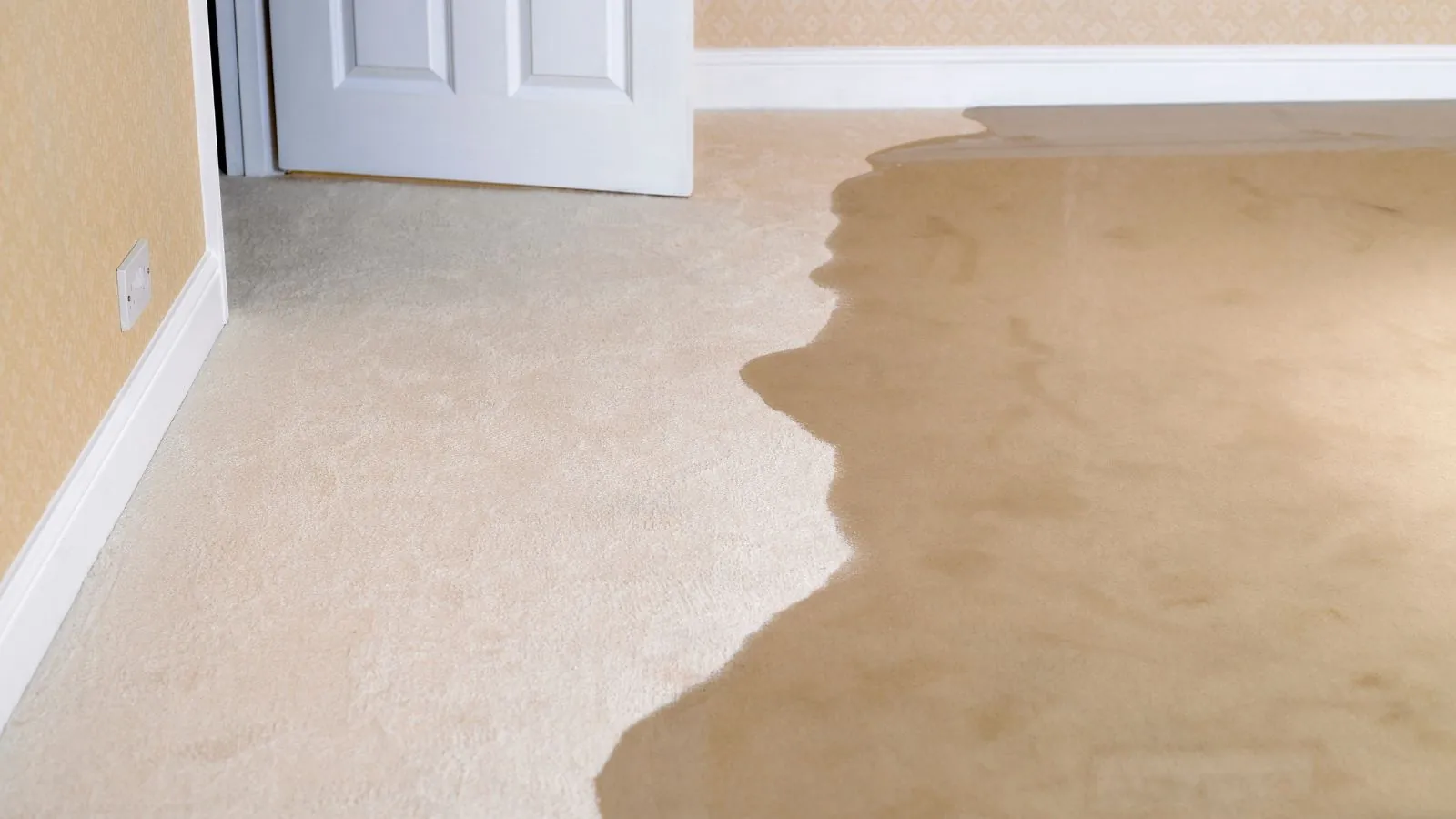
A water damage estimate is a written breakdown from a restoration company that lists the work needed to dry your home and repair what the water damaged. For a homeowner in Saint James, NY, the total at the bottom tells you far less than the lines above it.
Two bids can land far apart because one counts five days of dehumidifiers and the other counts none. This guide covers the line items a solid estimate shows, why numbers shift once walls are opened, and how to set two estimates side by side.
The line items a good written estimate shows
A usable estimate reads like a work order, not a lump sum. Each task gets its own line with a quantity and a unit, so you can see what is happening in which room. Start with water extraction, which should name the rooms, the method, and whether wet carpet pad is being pulled. If the paper jumps straight to one number for everything, ask for the breakdown.
Below extraction you should find equipment, demolition, disposal, treatment, monitoring and rebuild, each priced on its own. Keeping them apart matters because different crews do them at different times, and because drying and rebuilding are not the same kind of work.
- Extraction, with the rooms and the method listed, such as portable or truck-mounted extraction units
- Drying equipment, counted as air movers and LGR dehumidifiers per day, so a five-day job shows five days
- Demolition, such as flood cuts in drywall or removed pad, with the height or area stated
- Disposal, covering debris haul-out and any dumpster
- Antimicrobial treatment, naming the surfaces it covers
- Monitoring, meaning the visits where a technician takes moisture readings and writes them down
- Rebuild, listed apart from drying, covering drywall, insulation, paint, baseboard and flooring
Estimate section, what it should say, and the red flag
Use this table as a checklist while you read. If a section is missing or vague, that is a question to ask before you sign anything.
| Estimate section | What it should say | Red flag |
|---|---|---|
| Extraction | Rooms, method, and whether pad or carpet is removed | One line reading water removal with no rooms listed |
| Equipment days | Number of air movers and dehumidifiers and the planned days for each | Equipment listed with no day count, or a flat fee with no detail |
| Demolition | Materials removed, the area or height, and why | Remove wet drywall with no measurements |
| Disposal | What is hauled away and how | Missing entirely, so it shows up later as an add-on |
| Antimicrobial | Surfaces treated and the product type | Applied to everything by default, even dry areas |
| Monitoring | Visits, moisture readings and a logged drying goal | No mention of readings, only a promise that it will dry |
| Rebuild | Itemized materials and labor, separate from drying, plus who pulls any permit | Bundled into the drying total or left as TBD |
Why the numbers change after demolition opens the walls
Moisture meters and thermal imaging cameras read what is on or near a surface. They cannot see inside a wall cavity with full certainty. Water wicks upward through drywall, runs along bottom plates, and soaks into insulation and subfloor edges. So the first estimate is built from what is visible and what the readings suggest.
When a flood cut opens the wall, the crew may find wet insulation higher than expected, or a plate that stayed wet. That is a real reason for the scope to grow. It is also where padding can hide. The difference is documentation. A fair revision comes with photos, new readings and a written change before the extra work is done.
Ask at the start how changes are handled. A good answer names who approves a change, how it is priced, and that you get the revised number in writing.
Ask for a written change order
If the scope grows, ask for the new line, the photo that supports it and the updated total on paper. A spoken update is hard to compare later.
How the water category changes the estimate
Water is sorted into three categories by how contaminated it is. The category drives how much material is removed and how much protective gear and cleaning the job needs, so it should be named on the estimate.
Category can worsen if water sits, since bacteria grow in warm, wet materials. That is one reason a written estimate should record the source and the time of the loss. For sewage or rising water, read the separate safety steps on sewage backup cleanup before anyone enters the area.
| Category | Typical source | What changes in the estimate |
|---|---|---|
| Category 1 | Broken supply line or a tub overflow with clean water | Lighter protective gear, more materials may be dried instead of removed |
| Category 2 | Dishwasher or washing machine discharge, some overflows | More cleaning and treatment lines, porous materials more likely removed |
| Category 3 | Sewage, rising floodwater, long-standing wet materials | Removal of porous materials, protective equipment, extra disposal and cleaning steps |
How to compare two estimates side by side
Do not compare totals first. Compare scope, then price. Lay both sheets on the table and work through the steps below.
- Match the rooms and materials. Both bids should cover the same wet areas.
- Count equipment days. A bid with fewer days of drying is not cheaper if it leaves materials wet, and structural drying goals should be stated in either case.
- Check what is removed and what is dried in place. One company may tear out what another plans to save.
- Look for monitoring visits and logged readings. No monitoring line means no proof of drying.
- Confirm the rebuild is separate. Mitigation can start now while rebuild choices wait.
- Ask both companies whether their crews work to ANSI/IICRC S500 and where that shows up in the paperwork.
Insurance, signing and getting a number you can trust
Sudden and accidental water damage is often covered, while gradual leaks and neglect often are not, and flood is usually excluded and needs its own policy. Check your policy and ask your insurer what documentation it wants. New York's Department of Financial Services advises policyholders to document losses before cleaning anything up, so take photos of the water and damage before work begins.
No company can give a fair number without seeing the damage, because the category, the area and the materials set the price. Call (934) 223-1875 if you want to talk through the line items on an estimate you already hold.
Saint James note: who pulls the permit for your rebuild
According to the Suffolk County Hazard Mitigation Plan, the Town of Smithtown Building Department enforces the New York State Building Code, issues permits and inspects construction for most buildings in Saint James. The Town's online permit page lists applications such as Electric Only and Plumbing Only, but says nothing specific about water damage repair.
So the safe move is to ask the department if your rebuild needs a permit, then make sure the estimate says who pulls it and who pays.
If your home sits in a village with its own building department, the office is different. Lake Grove runs its own, at village hall on Hawkins Avenue, and a bid for work in Lake Grove should name that office. Owners in nearby Smithtown deal with the same Town of Smithtown department as Saint James.
Frequently asked questions
Should a water damage estimate show a price per square foot?
Some rebuild lines use a unit price, and that is fine as long as the quantity is shown next to it. The drying portion is better shown as equipment and days, plus monitoring visits. Be cautious of any single square-foot figure that covers everything from extraction to paint.
Is the lowest estimate the best deal?
Not automatically. A low total can mean fewer equipment days, no monitoring, or demolition left out. Compare scope line by line, and ask what happens if the walls are still wet when the equipment leaves.
Why did my final bill differ from the first estimate?
Usually because the scope changed after walls, floors or ceilings were opened and more wet material was found. Ask for the change in writing with photos and readings. Drying that runs more days than planned can also move the total, which is why the day count belongs on the estimate.
Does insurance pay whatever the estimate says?
No. Your insurer reviews the loss under your policy, and coverage depends on the cause and the wording. Sudden and accidental damage is often covered while gradual leaks often are not, and flood usually needs separate coverage. Ask your insurer before work begins.
Do I have to sign before the water is removed?
Standing water causes more damage the longer it sits, so many companies ask for a work authorization first. Read it before signing, and make sure it lists the scope, how changes are approved and what is not included.
Who pulls the permit if my rebuild in Saint James needs one?
Ask the Town of Smithtown Building Department if your repair needs a permit, since its permit page does not address water damage repair specifically. Then have the written estimate state whether the contractor or you will apply, and who pays the fee.