
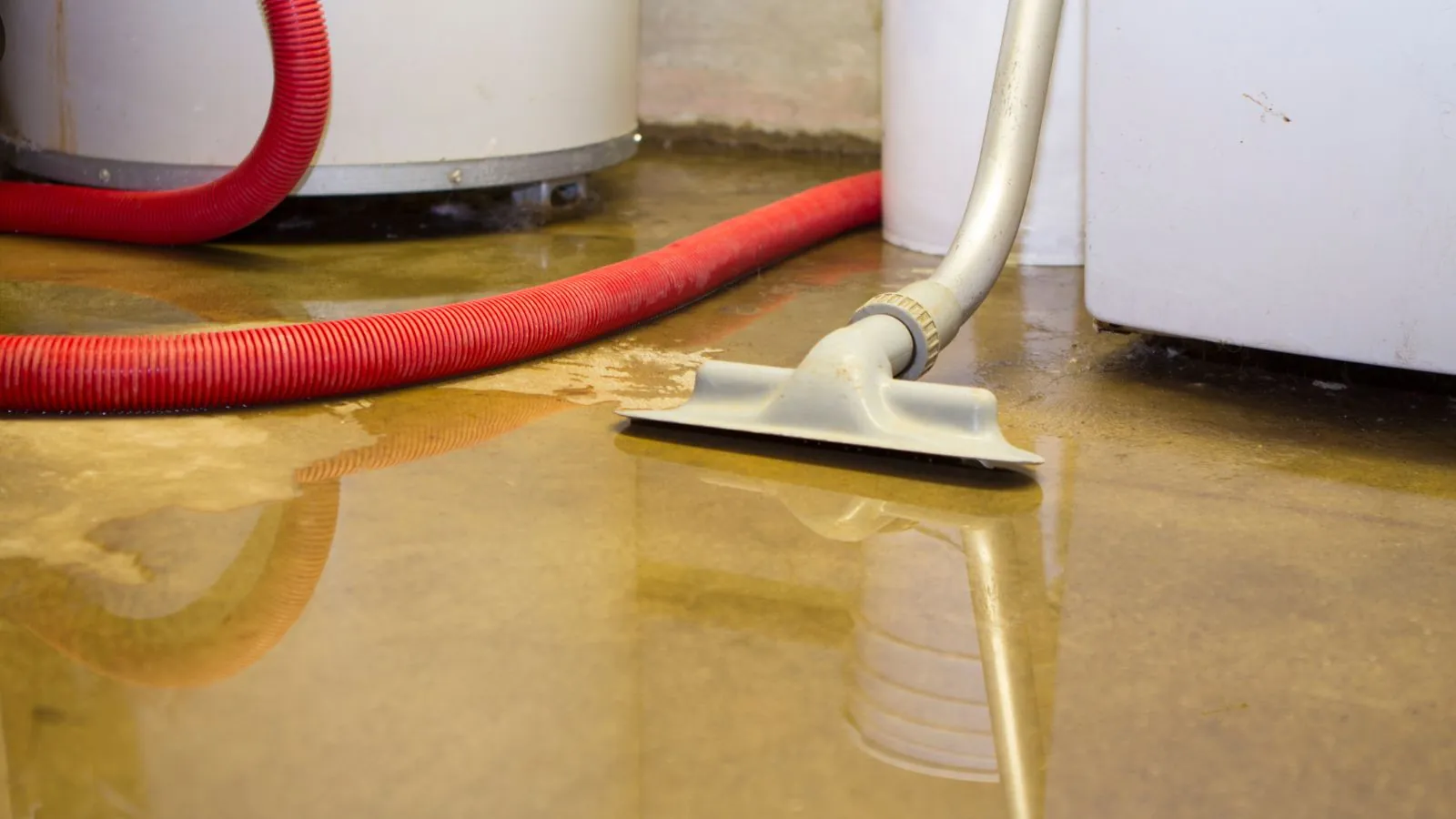
Stop using every sink, toilet and washing machine right now, because each flush or load sends more waste toward the opening. Keep children and pets away from the area and use the 24/7 line once everyone is out of the water.
Sewage backup cleanup in Saint James, NY is the removal, disinfection and drying of a space contaminated by wastewater, which professionals classify as Category 3 water. The source decides the fix, so the sections below separate a sewer line problem from a septic one.
Toilets gurgle and floor drains are bringing up dark water
That pattern means wastewater has nowhere to go, because of a blocked line, a full tank or rising groundwater, and is returning through the lowest openings in the house. The technical name is a sewage backup, and the water is Category 3, meaning grossly contaminated with bacteria and anything else the line carried. It needs protective gear, containment and removal of porous materials, not a mop and a bucket of bleach.
Condominium residents at Fairfield at St. James should also ask their management office who is responsible for shared drain lines.
First find out which system your home uses
Suffolk County Sewer District CSD-28, Fairfield at Saint James, exists, but most Smithtown area homes are not in a county sewer district. Many homes here are on private septic or cesspool systems, so check if yours is. The answer changes who you call first and what you must not do.
A main sewer line problem usually shows in several drains at once and may affect neighbors. A septic or cesspool problem often comes with a soggy yard, a tank that is full or flooded, or slow drains after heavy rain.
| What you notice | Sewer line backup | Septic or cesspool backup |
|---|---|---|
| Where it shows first | The lowest drain, such as a basement floor drain or tub | The lowest drain, often with slow drains throughout the house |
| Clues outside | A cleanout cap in the yard or basement, and neighbors with the same problem | Wet or sunken ground over the tank or leach field, and a strong odor outdoors |
| Who fixes the cause | A licensed plumber or sewer contractor clearing or repairing the line | A septic contractor, after flooding has gone down |
| What to avoid | Running water and flushing until the line is cleared | Toilets, washers and pumping the tank while ground is flooded |
| What the cleanup involves | Extract, remove porous materials, disinfect and dry | The same Category 3 cleanup, plus waiting for the system to recover |
Signs of a sewage backup
Several of these together mean a backup, not a clog in one fixture.
- Gurgling from toilets or drains when another fixture runs
- Dark, foul-smelling water in a floor drain, shower or tub
- Water in a basement bathroom after you flush upstairs
- Slow drains at more than one fixture
- A sewage smell in a room that has no visible water
- A wet, lush or sunken patch over the tank or leach field in the yard
How crews remove and disinfect sewage damage
Crews wear gloves, boots, protective suits and respirators. They isolate the room with plastic sheeting and extract liquid with pumps and truck-mount units, following the methods on the water extraction page.
Porous materials that sewage soaked are removed and disposed of, which usually includes carpet, padding, insulation and the lower part of drywall. Hard surfaces and framing are cleaned and treated with an antimicrobial. Air scrubbers with HEPA filters, air movers and LGR dehumidifiers then run until moisture meters read dry. ANSI/IICRC S500 is the published water damage standard, so ask any company whether its crews follow it.
Options, trade-offs and what follows the cleanup
A clogged line fixed by a plumber does not clean the house, and a cleaned house will be contaminated again if the cause is not corrected. Do the cleanup and the line repair in the right order, and plan on a plumber or septic contractor for the cause. Soaked carpet and padding rarely justify the risk of keeping them.
If floodwater started the problem, the cleanup also has to deal with groundwater and runoff in the same rooms. Basement floor drains are the usual entry point, as covered on the basement cleanup page, and moisture left in framing is finished with structural drying.
What drives the cost of sewage cleanup
Contamination makes this one of the more involved water jobs, and these factors set the scope.
- Water category, which is always the highest category for sewage
- Affected area, including how many rooms and how much flooring the waste reached
- Materials, because porous items such as carpet, padding and insulation are disposed of
- Drying days and equipment, including air scrubbers and dehumidifiers
- Rebuild scope, from flooring and drywall to baseboards and paint
Sewage is coming up right now, protect your household
The first priority is exposure. Follow these steps and do not touch the water with bare skin.
- Stop all water use. No flushing, laundry, dishwasher or long showers until the cause is found.
- Move children, pets and anyone with a health condition out of the affected rooms.
- If you must enter, wear rubber boots, waterproof gloves and an N95 respirator.
- Do not use a household vacuum or fans to move the water or the smell around.
- Shut off power to the area only if the panel and your footing are dry.
- Photograph the damage and then call the 24/7 line.
If floods or slow drains are the cause
The New York State Department of Health says that if floodwater covers a septic tank or drains are slow, avoid using toilets and washing machines. It also says not to have the septic tank pumped at that time, to wear rubber boots, waterproof gloves and an N95, and never to mix bleach with ammonia.
Insurance and getting a real number
Coverage for sewage and drain backup can differ from other water losses, so check your policy and ask your insurer, and document the damage before cleanup. Sudden and accidental losses are often covered while gradual problems and neglect often are not.
To get a real figure, call the 24/7 line and describe the drains, the rooms and your system type. Scope and price are explained before work starts, and the same crews serve Nesconset and nearby towns.
Frequently asked questions
Do you handle sewage backup emergencies at night or on weekends in Saint James?
Yes. Dispatch is open 24/7, including nights, weekends and holidays, and same-day response is offered when available. No arrival time is promised, so stop all water use and keep everyone out of the affected rooms until help arrives.
Why is dark water coming up from my floor drain?
Wastewater is probably returning through the lowest opening because the line or the tank cannot take any more. That makes it Category 3 water. Stop using water, avoid contact and call for cleanup.
Is a sewage backup dangerous?
Yes. Sewage can carry bacteria and other contaminants, so wear rubber boots, waterproof gloves and an N95 respirator if you must enter, and keep children and pets away.
Should I have my septic tank pumped right away?
Not when flooding is the cause. The New York State Department of Health says not to have the septic tank pumped if floodwater covers it or drains are slow. Wait for water to recede and ask a septic contractor.
How do I tell if I have sewer or septic?
Look for a tank lid or soggy patch in the yard, check your property records or closing paperwork, and ask a plumber to trace the main line. Suffolk County Sewer District CSD-28 exists, but many homes in the area use private septic or cesspool systems.
Can I clean up sewage myself?
Small amounts on a hard floor can be handled with proper protection, but anything that reached carpet, padding, drywall or a large area needs professional removal. Never mix bleach with ammonia.