
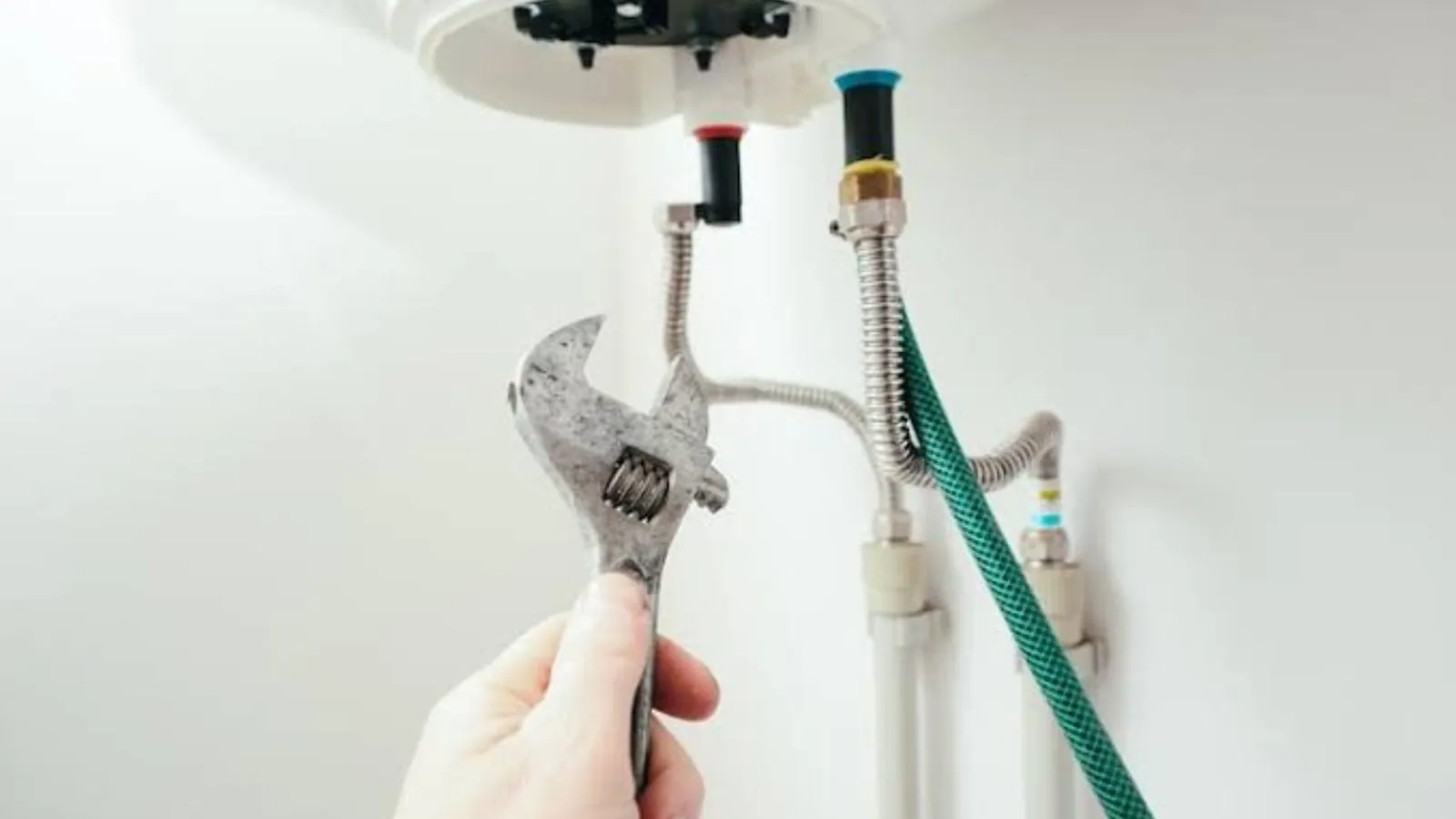
A leaking water heater is a problem to deal with now, and our 24/7 dispatch line is open while you take the first safe steps. Close the cold water valve on top of the tank, keep your hands off hot pipes and keep children and pets away from the puddle.
Water heater leak cleanup in Saint James, NY is the removal of spilled water and the drying of the floor, walls and framing after a tank, relief valve or fitting lets go. A standard residential tank holds anywhere from 40 to 80 gallons, enough to soak a basement or utility room.
Floodwater around a water heater changes the plan
National Grid Long Island storm guidance says water heaters exposed to floodwater should be replaced, and it also says not to turn off the gas meter. That matters if rain, groundwater or a failed sump pump put water up to the burner compartment or the electric element. A heater that sat in floodwater is not a drying project, it is a replacement.
In practice this splits the work. The water on your floor gets extracted and the room dried by restoration crews, and the heater goes to a licensed plumber who decides whether it can stay in service. Leave the gas meter alone and let the utility and the plumber handle the gas side.
If the water that reached the heater was not from a storm but from the heater itself, the situation is simpler. Clean water from the tank is usually dealt with as a plumbing leak, and the heater still needs a plumber to say whether it can be repaired or must be replaced.
How water heaters fail and what each leak looks like
Most leaks fall into four groups, and each one points to a different repair. Knowing which one you have helps you tell the plumber what you saw and helps the crew judge how far the water traveled.
- Tank failure, where sediment and corrosion eat through the steel shell, usually showing as water pooling around the base with rust streaks. A leaking tank cannot be patched.
- Relief valve discharge, where the temperature and pressure relief valve opens and runs water down its discharge pipe, often onto the floor if the pipe is cut short or missing.
- Fittings and connections, such as the cold inlet, hot outlet, drain valve or gas-line dielectric unions, which drip slowly and soak a wall or floor for weeks.
- Drain pans, which catch small leaks, but can overflow when the pan drain clogs or the leak is larger than the pan.
How the spill is cleaned and dried
A crew shuts off water supply to the room if the plumber has not already, then removes standing water with a portable extraction unit. Water from a heater tank starts as clean supply water, but it picks up rust, sediment and anything on the floor, so it is treated with the water categories in ANSI/IICRC S500, the published water damage standard. Ask any company whether its crews work to it.
Next comes mapping. A moisture meter checks the slab, subfloor and the bottom of the walls, and a thermal imaging camera shows wet areas behind drywall that look dry. Baseboards often come off so air can reach the cavity, and wet carpet padding is usually removed because it holds water long after the surface feels dry.
Air movers and an LGR dehumidifier then run until the readings return to a dry standard. Basement and utility rooms have little airflow, so drying often takes longer than homeowners expect. If water went through a finished floor, our page on water extraction explains the equipment in more detail.
Gas, electric and tankless failure points compared
The type of heater changes where it leaks, how dangerous the situation is and who should look at it first. Use this table to describe the failure to your plumber and to any restoration crew.
| Heater type | Where it usually fails | What to check first |
|---|---|---|
| Gas tank | Corroded tank bottom, relief valve, drain valve, inlet and outlet fittings | Smell for gas, look for rust at the base, and note whether the burner compartment is wet |
| Electric tank | Tank shell, lower or upper element gasket, relief valve, fittings | Switch off the breaker if the panel is dry to reach, and note any water at the element access panels |
| Tankless gas or electric | Water connections, isolation valves, heat exchanger, condensate line on condensing units | Look for drips under the unit and at the isolation valves, and note where the water tracks along the wall |
| Any type with a drain pan | Clogged pan drain, overflowing pan, small seam leak | Check whether the pan is full and whether its drain line runs to a safe spot |
Who does which job, and the real options
Cleaning the water is our job. Replacing the heater is a licensed plumber's job, and you should not let anyone else touch the gas or the electrical connections. Plumbers and restoration crews work in the same Saint James and Smithtown homes every week, so many homeowners call the plumber first, then call us while the plumber works, because the two jobs can run side by side.
Drying in place is the usual choice when the water reached only a concrete floor and the bottom of a wall. Removing the bottom foot of drywall is the better choice when moisture readings climb the wall, because insulation behind it holds water that air movers cannot reach. If the leak ran under flooring, our structural drying crews can use injectable systems rather than tearing the whole floor out.
If the leak was slow, water may have been feeding mold on the framing for a while. Mold is a separate problem. New York's mold law applies to projects over 10 square feet and requires licensed mold remediation contractors, and the crews we dispatch can point you to mold remediation if readings or smell suggest it.
Your water heater is leaking right now, urgent safety steps
Work from the safest action to the least safe. If you smell gas or hear hissing, stop reading and leave the house first.
- If you smell gas, get everyone outside, do not flip switches and call 911 and your gas utility from outdoors.
- Close the cold water supply valve on the pipe entering the top of the tank. Turn the handle clockwise until it stops.
- For an electric unit, switch off its breaker only if you can reach the panel standing on dry ground. If the floor around the panel is wet, call PSEG Long Island at 1-800-490-0075 rather than reaching in.
- For a gas unit, turn the heater's own gas control to off, and leave the gas meter alone.
- Do not touch water near the tank until you know the power is off. Relief valve water and tank water can be hot enough to scald.
- Photograph the heater, the puddle and any rust before cleanup, then call the 24/7 line.
Hot water and electricity do not mix
If water has reached outlets, cords or the electric panel, stay out of the room. A licensed electrician must inspect before power is turned back on.
What drives the cost of water heater leak cleanup
A fair number depends on what the water touched and how long it sat. These are the factors that set the size of the job.
- Water category, since a clean tank leak is simpler than a floodwater event
- Affected area, including how far the water spread from the heater room
- Materials, such as concrete, tile, carpet pad or finished hardwood
- Drying days and equipment, including air movers and dehumidifiers
- Rebuild scope, from cleaning the floor to replacing drywall and baseboards
Insurance and a real number
Sudden and accidental water damage is often covered, while gradual leaks and neglect often are not, and flood is usually excluded unless you carry separate flood coverage, so check your policy or ask your insurer.
To get a real number, call the 24/7 line and tell the dispatcher the heater type, where it sits and how long it has been leaking.
Frequently asked questions
Do you handle water heater emergencies at night or on weekends in Saint James?
Yes. The dispatch line runs 24/7, and we send licensed and insured professionals with same-day response when available. We do not promise an arrival time, so use the wait to shut the cold supply, power the unit down safely and move belongings.
Do you replace the water heater?
No. Replacing the heater is a licensed plumber's job. Dispatched crews remove the water and dry the floor, walls and framing. We work around your plumber so both jobs can move at once.
Is it normal for the relief valve to drip or discharge?
A valve that discharges is doing its job, but it also signals high pressure or temperature or a failing valve. A plumber should find out why. A discharge pipe that ends at the floor can put water on the floor, so it needs to run to a safe spot.
My water heater sat in floodwater. Can it be saved?
National Grid Long Island storm guidance says water heaters exposed to floodwater should be replaced. Have a licensed plumber confirm, and do not turn off the gas meter yourself.
Can I keep using hot water after a small leak?
A tank that leaks cannot be patched and may fail further. Shut it off, and ask a plumber before you put it back in service. A leaking fitting or valve is sometimes a simple repair, but only a plumber can say.
How long will the floor take to dry?
It depends on the material and how wet it got. Concrete dries slowly, finished floors need more care and cavities behind walls take longer than the surface. Moisture readings, not the calendar, decide when drying is done.
Does insurance pay for a water heater leak?
Sudden and accidental leaks are often covered, and slow leaks often are not. Ask your insurer, and note that we cannot approve a claim or promise coverage. For work in a flooded area, see flood damage cleanup.