
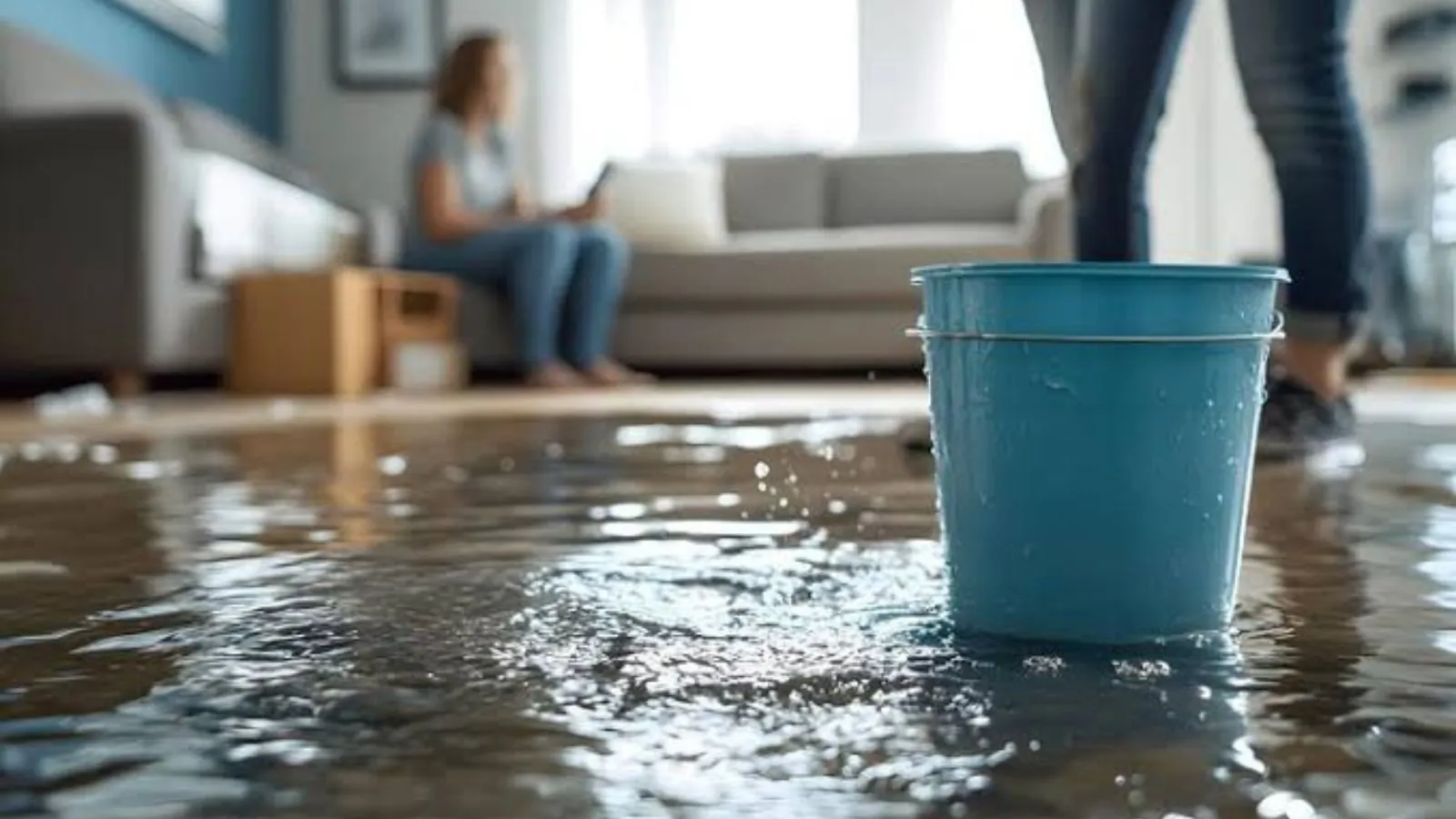
Water is sitting on your floor and it is already working into baseboards, drywall and subfloor. Our 24/7 line sends a licensed and insured crew while you lift valuables off the floor and keep clear of outlets. Water extraction in Saint James, NY means removing standing water with pumps and vacuum units, then confirming with moisture meters what the surface hides.
The less water left to soak upward, the shorter and cheaper the drying job tends to be. Acting early also tends to keep the damage to the lowest stretch of a wall instead of the whole cavity.
Why the first hours decide how far the water travels
On August 18 and 19, 2024, the National Weather Service issued a flash flood emergency warning that named Smithtown and Stony Brook. Forecasters reported 6 to 10 inches of rain overnight across the area, with rates of 2 to 3 inches in one hour. That is how quickly a yard, a window well or a basement stairwell can fill, so lift belongings and find your breaker panel before the water arrives instead of after.
Any source behaves the same way once it reaches the floor. Drywall wicks water upward by capillary action, carpet padding holds it like a sponge, and gaps under flooring carry it into rooms that looked untouched. Pulling the bulk water out early is the single step that limits all of that.
Signs you need extraction and not just a mop
Towels and a mop handle a spill. Extraction is for water you can measure with a ruler or water that keeps coming back after you wipe it up.
- Water deeper than the sole of a shoe, or pooled in more than one room
- Carpet that squishes underfoot and leaves dark rings along the tack strip
- Baseboards and the bottom of drywall that look darker or feel cool to the touch
- Vinyl or laminate with lifted seams, or hardwood that has begun to crown or cup
- A damp, musty smell on the same day, which points to water trapped in padding
How crews pull water out and confirm what is left
The crew first finds what is feeding the water and settles the power question, then picks equipment by depth. Submersible pumps handle several inches in a basement or ground floor and keep running until they begin to draw air. Squeegee wands push the thin remaining film toward the pump or a drain.
A truck-mount extraction unit keeps the vacuum motor and recovery tank on the truck and runs hose into the house, so heavy gear never crosses your living room. It lifts water out of carpet, padding and tile far faster than a rented shop vac, which holds only a few gallons at a time.
When the surface looks dry, moisture meters take readings in baseboards, drywall and subfloor, and a thermal imaging camera shows cool wet zones behind finished surfaces. Those readings decide whether padding comes up, whether flooring can stay and where air movers and dehumidifiers go. ANSI/IICRC S500 is the published reference for this work, so ask any company whether its crews follow it.
Standing water depth and what to do
Depth is the quickest way to size up the situation before anyone arrives. Use the table as a rough guide and call the moment you are unsure.
| Water depth | What it usually means | What to do |
|---|---|---|
| A damp film up to 1 inch | A spill or slow leak with water mostly on the surface | Stop the source, squeegee and towel it up, run a fan, and have baseboards checked with a moisture meter |
| 1 to 3 inches | Water has reached carpet padding and the bottom of the drywall | Extract it, pull wet padding, and ask for readings before anything is rebuilt |
| 3 to 12 inches | Outlets, baseboard heaters and lower cabinets may be under water | Leave the room, cut power at the panel only if you can reach it dry, and call for pumps |
| Over 12 inches or still rising | A flood, backup or main line failure, with possible contamination | Keep everyone out, stay away from electrical items, and call right away |
Options and honest trade-offs
A wet vacuum is reasonable for a puddle under an inch on a hard floor. It cannot reach water under laminate or inside a wall, and it leaves padding soaked. If the water came from a clean supply line, carpet can sometimes be dried in place, while water that touched soil, a drain or a river means the padding is discarded.
That second case belongs to flood cleanup, where contamination changes the plan. If the water came from a split pipe, the burst pipe page covers shutting off the line first. Extraction alone never finishes the job, because moisture left inside materials is handled by structural drying with air movers and LGR dehumidifiers.
What affects the cost of water extraction
Several things move the number, and none of them can be known from a phone description alone.
- Water category, since clean supply-line water and contaminated floodwater differ in handling and disposal
- Affected area, meaning how many rooms and how much floor the water reached
- Materials, because carpet, padding, hardwood, tile and drywall each respond differently
- Drying days and equipment, as extraction is usually followed by air movers and dehumidifiers
- Rebuild scope, which depends on what could be saved and what had to be removed
Water is spreading right now, what to do while you wait
Take these steps in order and stop at any one that feels unsafe.
- Work out what is adding water. A running fixture needs its valve closed, a dripping ceiling needs a bucket, and rain coming in needs whatever closes the opening.
- Look at the water and the outlets before you step in. If it reaches cords, outlets or appliances, stay out of the room.
- Lift rugs, shoes, paper, electronics and small furniture onto counters, beds or stairs.
- Take photos and a short video of the water line and the damaged items before cleaning anything.
- Keep children and pets out of the water, since you cannot tell what else it is carrying.
- Call and describe the depth and the rooms involved so the right pumps are loaded.
Water and live power
PSEG Long Island says not to enter a flooded room where water reached outlets, appliances or cords. If you cannot reach the breaker dry, PSEG Long Island at 1-800-490-0075 can shut power off at the meter, and a licensed electrician must inspect before power is restored.
Insurance and getting a real number
Sudden and accidental water damage is often covered by a homeowners policy, while gradual leaks and neglect often are not, so check your policy and ask your insurer. New York's Department of Financial Services advises documenting your losses before cleaning anything up, which is why the photos matter. Crews working near Smithtown and the rest of the area explain scope and price before work starts.
Call the 24/7 line and describe the depth and the rooms, and a real number comes from the situation, not from a guess.
Frequently asked questions
Do you handle water extraction emergencies at night or on weekends in Saint James?
Yes. Dispatch runs 24 hours a day, including nights, weekends and holidays, and we offer same-day response when available. We do not promise an arrival time, so use the wait to shut off the source, lift valuables and take photos.
Can I use a shop vac instead of calling a crew?
For a shallow puddle on tile or vinyl, yes. A shop vac cannot pull water out of padding, from under flooring or from inside a wall, and those hidden spots are where mold and swelling start.
Does extraction remove all of the moisture?
No. It removes the loose standing water and much of what carpet holds, but wood, drywall and concrete keep moisture inside. Moisture meters and a thermal camera show what is left, and drying equipment finishes the job.
Is standing water safe to touch?
It depends on where it came from. Water from a supply line is cleaner than water from a drain, a washing machine or a river, and you often cannot tell by looking. Treat unknown water as contaminated and wear boots and waterproof gloves.
Should I pull up the carpet myself?
Wait for guidance if you can. Pulling carpet without protective gear or a plan can tear padding, spread contaminated water and damage tack strips. If a crew is on the way, take photos and leave the carpet in place.
Will insurance pay for water extraction?
It depends on the cause and on your policy. Sudden and accidental losses are often covered and gradual leaks often are not, and flood is usually excluded. Check your policy and ask your insurer before work begins.