
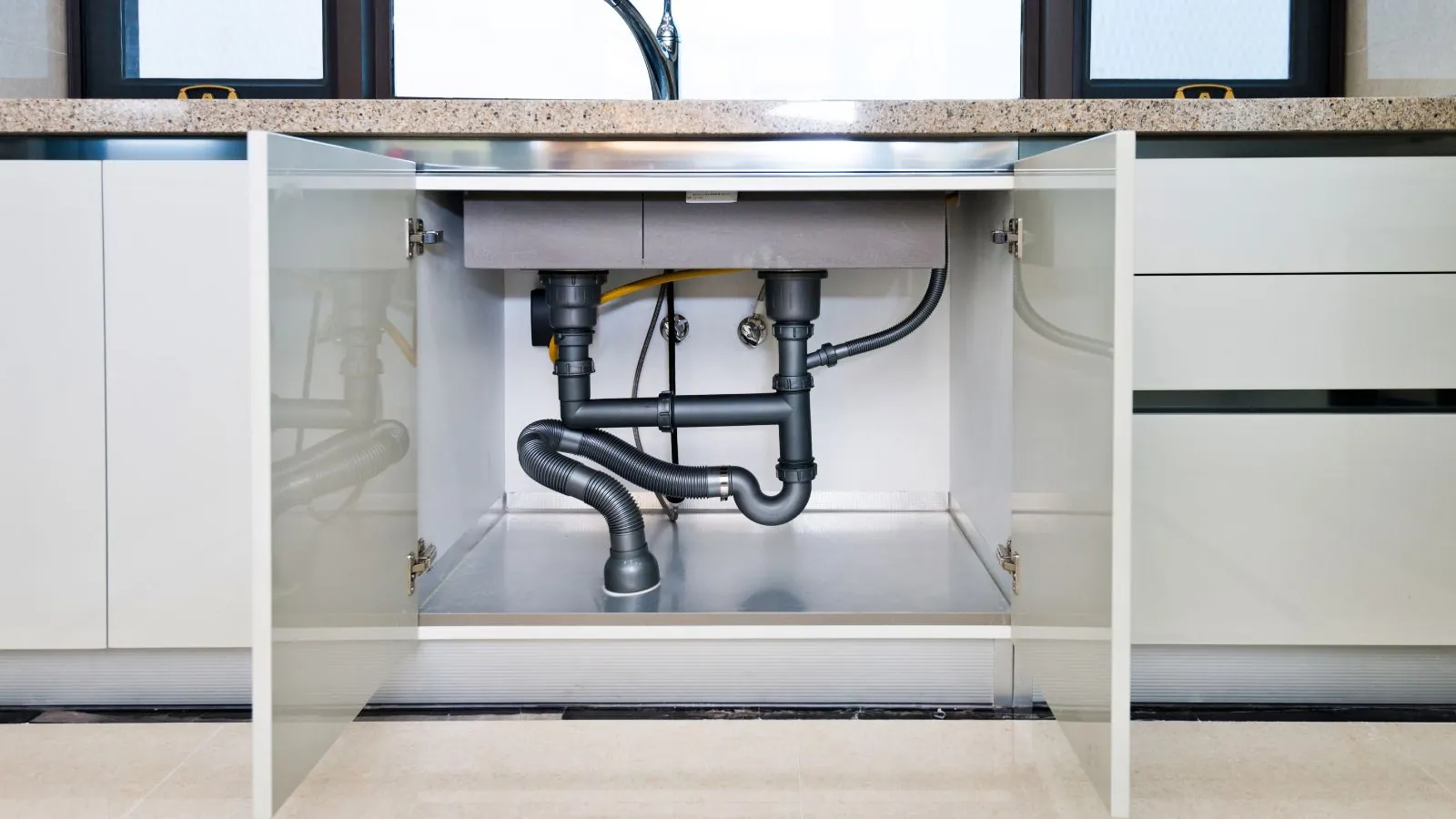
Water damage in a rental in Saint James, NY is any unplanned water that soaks floors, walls, ceilings or belongings in a home you lease rather than own. The building belongs to the landlord, but the carpet you walk on and the couch you sit on may belong to you.
That split changes who calls, who pays and who writes things down. This guide walks through the first steps for a tenant, the matching duties of a landlord, and the general rules about insurance. It is general information, not legal advice.
Why a rental leak is a different problem from an owner's leak
An owner decides everything alone. A tenant usually cannot cut open a wall, order water extraction or repair a supply line, because the structure is not theirs. What a tenant can do is report fast, protect what they own and keep a clear record.
A landlord has the opposite problem. They control the building and the repair, but they often hear about the leak late, sometimes after drywall has stayed wet for days. Early written notice from the tenant is the single thing that helps both sides most.
Two kinds of loss run side by side in every rental leak. The building loss covers framing, drywall, flooring, insulation and fixtures. The contents loss covers furniture, clothing, electronics, rugs and anything else the tenant brought in.
What a tenant should do in the first day
Start with safety. If water is coming from a pipe, shut the nearest fixture valve under the sink or toilet, and if you cannot find it, ask the landlord or building manager where the main shutoff is. If water has reached outlets, power strips or appliance cords, stay out of that room and leave the breaker alone unless you can reach it while standing on dry floor.
- Stop or slow the source if you can do it safely, then move electronics, papers and medications onto a dry shelf or into another room.
- Take wide photos and close-up photos of every wet surface and every damaged item before you move or throw anything away.
- Notify the landlord or property manager in writing, by text or email, so the date and time of your report exist on paper. A phone call alone leaves no record.
- Describe what you see in plain words, such as ceiling stain growing, water dripping from the light fixture, or carpet wet near the bathroom wall.
- Keep receipts for anything you must buy or pay for because of the leak, such as a hotel night, a wet-dry vacuum or laundry costs.
- Call your renter's insurance company or agent to ask how to open a claim for your belongings and what they need from you.
Situation, tenant action and landlord action
Not every leak has the same cause, and the cause shapes the next move. This table gives general starting points for common situations. Your lease and your policy decide the details.
| Situation | Tenant action | Landlord action |
|---|---|---|
| Supply line or pipe bursts inside a wall | Shut the nearest valve, photograph the damage, report in writing, lift belongings off the floor | Shut the main, arrange extraction and drying of the structure, repair the pipe |
| Ceiling stain from a unit above | Photograph the stain, record dates, report in writing, move furniture away from the spot | Trace the source above, stop it, check the ceiling cavity with a moisture meter before closing it |
| Roof or window leak after a storm | Place buckets, protect belongings, send photos with the date | Inspect and repair the roof or window, dry the affected drywall and insulation |
| Tenant's own washing machine hose fails | Shut the water supply, report right away, tell your insurer | Dry the structure, review the lease for appliance terms, document the repair |
| Sewage or drain backup | Stay out of the area, keep children and pets away, report in writing | Arrange a professional cleanup of contaminated areas and repair the drain line |
| Slow leak noticed for weeks | Send dated photos, report in writing, keep a log of what you saw and when | Locate the leak, test for hidden moisture, repair and dry before rebuilding |
Who pays for what, in general terms
In general, the landlord's insurance and budget deal with the building, and the tenant's renter's policy deals with the tenant's belongings. If a tenant's own act caused the damage, such as leaving a tub running, the landlord's insurer may look to the tenant or the tenant's liability coverage.
A lease can add rules, and some leases make tenants responsible for damage they cause. Read yours before assuming. When two parties disagree about fault, written dates, photos and repair invoices are what settle the question.
Sudden and accidental water damage is often covered under a policy, while gradual leaks and neglect often are not. Check your policy or ask your insurer how it treats your case, because wording varies.
- Building materials, drywall and flooring usually fall to the landlord and the landlord's insurance.
- Furniture, clothing, electronics and rugs usually fall to the tenant and the renter's insurance.
- Temporary housing costs depend on the lease and the policy, so ask both parties early.
- Damage caused by a tenant's negligence may be argued either way, so keep every record.
Renter's insurance and your belongings
Many tenants skip renter's insurance until the day water comes through the ceiling. The policy protects personal property, and some policies also pay for extra living costs if the home becomes unlivable. Policies differ, so ask what yours includes.
Before you call, make a room-by-room list of damaged items with approximate age and where you bought them. Photograph labels and serial numbers on electronics. The New York Department of Financial Services advises policyholders to document losses before cleaning anything up and to file claims as soon as possible after a loss.
Do not throw away ruined items until your insurer has seen them or told you that photos are enough. Wet cardboard boxes, mattresses and rugs also grow musty fast, so ask about a quick inspection rather than letting them sit.
What a responsible landlord does after a report
A good response starts with the water, not the paperwork. The landlord or manager shuts off the source, brings in professionals to extract standing water and sets drying equipment such as air movers and LGR dehumidifiers. Drywall, insulation and flooring that stay wet are the usual reason a small leak becomes a rebuild.
Moisture should be measured, not guessed at. A crew running structural drying with a moisture meter and a thermal camera can find wet material behind a wall that looks dry, and daily readings show when the structure is dry enough to close up. Ask whether the crew works to the ANSI/IICRC S500 standard for water damage.
The landlord should also tell the tenant what is happening, and when work will enter the home. Clear notice protects both sides, and it avoids the argument about who left wet carpet in place.
When the problem is not getting fixed
Sometimes the landlord is slow or silent. Keep sending dated written follow-ups that describe the condition and attach new photos. Do not stop paying rent or make your own repairs to the building without first getting advice, because those moves can create problems of their own.
Tenant organizations, legal aid offices and a private tenant attorney can explain your options for your lease and situation. If the water is spreading and the building is not safe, treat it as urgent and tell the landlord that you are doing so in the same message. Call the 24/7 line if you need to talk through a wet unit and the next step.
Saint James note: owner-occupied hamlet, rental-heavy neighbors
Census QuickFacts reports an owner-occupied housing rate of 87.7% in Saint James, so renters here are a smaller group than in many places. A tenant who lives in a single-family house or an accessory unit should confirm early who handles repairs, because there may be no property management company to call. Ask the landlord directly for a name and number. Neighbors in Nesconset share the same Town permit office as Saint James.
Lake Grove, an incorporated village about 2 miles away, reports a 77.3% owner-occupied rate, which means a larger share of rentals. If you rent there, the Village of Lake Grove has its own building department, so permit questions for repairs go to the village and not to the Town of Smithtown.
New York Real Property Law section 235-b says a landlord is deemed to warrant that the premises are fit for human habitation and the uses intended, and a tenant's waiver is void. Describe an unsafe leak in those terms, in writing. The Department of Financial Services notes flood losses are generally not provided in standard tenants policies, so ask about flood coverage on a ground-floor unit.
Frequently asked questions
Who calls the water damage company, the tenant or the landlord?
Usually the landlord, because the building is theirs. A tenant can call a restoration company to protect their own belongings, but should tell the landlord first so nobody opens a wall without permission.
Does renter's insurance cover water damage from a pipe burst?
Sudden and accidental water damage to a tenant's belongings is often covered, but policies vary. Gradual leaks and flooding are commonly excluded, so check your policy or ask your insurer before you rely on it.
Should I move out if the apartment floods?
Do not decide in a hurry. If the unit is unsafe, tell the landlord in writing and ask about temporary housing. Keep receipts for hotel nights and storage, and ask your renter's insurer whether it covers extra living costs.
What if mold appears after a leak in my rental?
Report it in writing with photos and the date you first saw it. Mold that grows after a leak is a sign that materials stayed wet. A licensed mold professional can explain what is needed, and the landlord decides on repairs to the building.
Can the landlord make me pay for the drying and repairs?
It depends on what caused the damage and what your lease says. If the cause was a failed pipe or roof, the building owner generally handles it. If a tenant's own act caused it, the lease and insurance sort out responsibility.
Is a rental near Lake Grove handled differently from one in Saint James?
The water problem is handled the same way, but the permit office can differ. Lake Grove is a village with its own Building Department, while Saint James permits go through the Town of Smithtown Building Department. Ask the landlord which office applies before any wall work starts.