
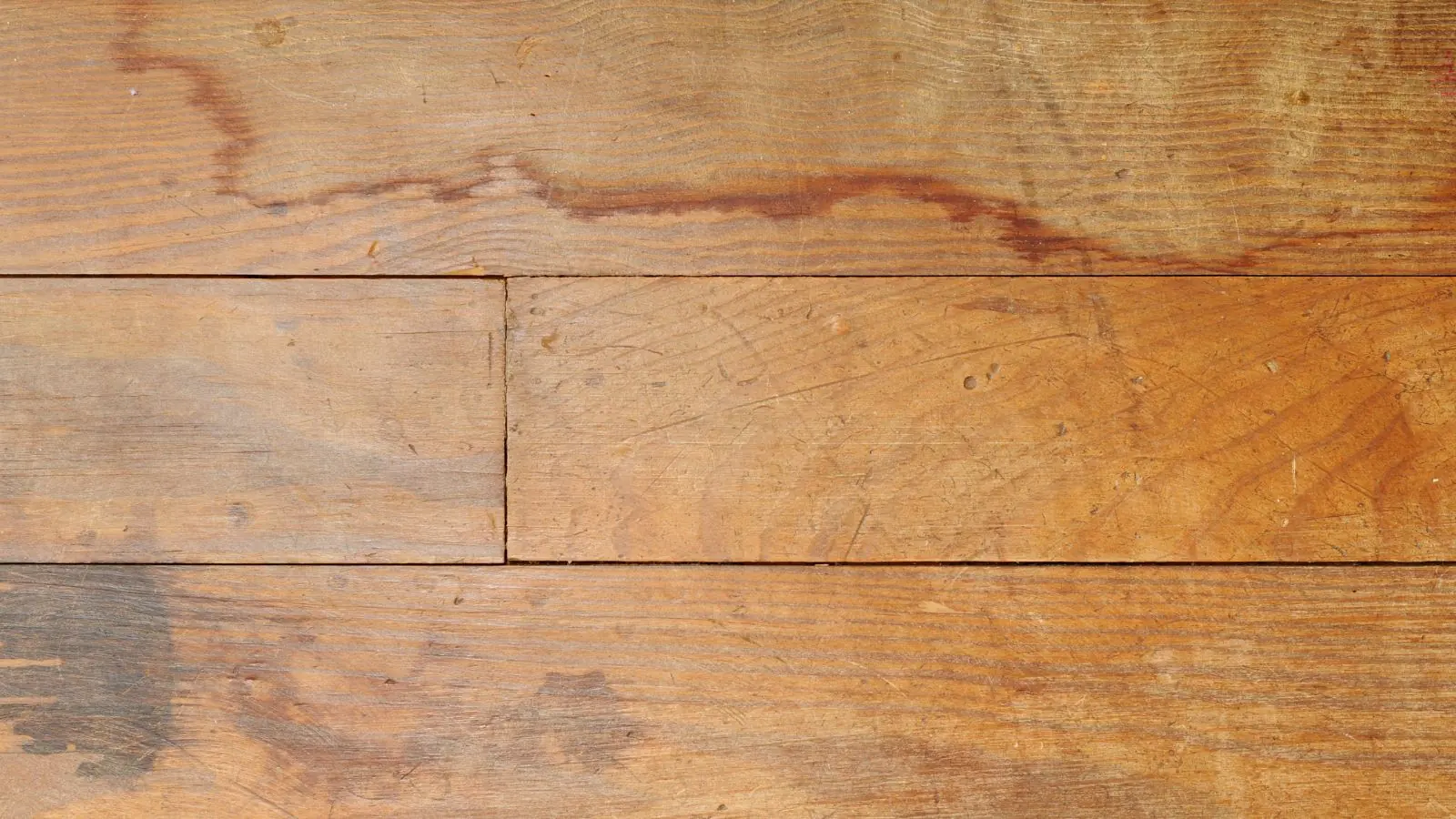
Selling a house with water damage means deciding what to repair, what to tell buyers and what paperwork to hand over. For sellers in Saint James, NY, the questions usually start with a stain, a past leak or a wet basement that was dried years ago.
This guide covers disclosure basics, how buyers, inspectors and lenders tend to react, and which records make a difference. It is general information, not legal advice, so talk to a real estate attorney about your own sale.
Why water damage comes up in almost every sale
Buyers walk through with a flashlight and a long list of worries, and water is near the top. A ceiling stain, a musty basement or a fresh patch of paint on one wall can raise questions even when the problem was fixed long ago.
An unanswered question tends to cost more than a documented repair. A buyer who sees clear records of a past leak and how it was dried often relaxes. A buyer who finds out later may become suspicious about everything else in the house.
Disclosure basics and what the state form asks
New York's Property Condition Disclosure statute, Real Property Law section 462, includes a form that asks sellers about the condition of the house. Several of its questions concern water. Ask a real estate attorney how the statute applies to your sale, because the details depend on your situation.
The form asks about rot or water damage to the structure, about flooding, drainage or grading problems that resulted in standing water, about water penetration or damage from seepage or a natural flood event, and about the sump pump. The table matches each of those questions with the records that tend to help you answer honestly.
| Question on the form | What documentation helps |
|---|---|
| Rot or water damage to the structure | Dated photos, the drying log with moisture readings, the scope of work and invoices for the repair |
| Flooding, drainage or grading problems with standing water | Photos of the yard after heavy rain, notes on when it happened, and records of any grading or drainage work |
| Water penetration or damage from seepage or a natural flood event | Reports and photos from the event, mitigation invoices, and insurer correspondence if a claim was filed |
| Sump pump | Installation or service records, plus a note on how often it runs and any past failure |
What buyers, inspectors and lenders look for
A buyer's inspector often carries a moisture meter and may use a thermal imaging camera to check ceilings, walls and basement slabs for hidden dampness. They look at stains, rust on pipes, soft flooring, efflorescence on masonry and the smell of the lower level.
Lenders and appraisers care about condition. If a report notes active moisture or visible damage, the lender may ask for repairs or a clean follow-up inspection before closing. That can delay a closing date, so having proof of professional drying and repair on hand is a real advantage.
- Moisture readings and thermal images of ceilings, walls and basements
- Stains, bubbling paint, warped flooring and rusted fasteners
- Questions about past insurance claims or past repairs
- A lender request for repairs or a follow-up inspection before closing
Repair first, disclose and adjust, or sell as is
Sellers usually choose among three paths, and each has trade-offs. None is right for every house, and your attorney and agent can weigh them with you.
Repairing first gives buyers a clean report but costs money and time up front. Disclosing and adjusting the price keeps your timeline but invites negotiation. Selling as is can attract investors, though a wider group of buyers may walk away.
| Path | Upside | Trade-off |
|---|---|---|
| Dry and repair before listing | Cleaner inspection reports and clear documents to share | Cost and time before you list |
| Disclose and adjust the price | Faster listing and honest expectations | Buyers may negotiate harder or ask for credits |
| Sell as is | No repair work on your end | Fewer buyers, and lenders may balk at visible damage |
Records worth gathering before you list
Start a folder now, even if the water event was years ago. Ask the restoration company for copies of what it kept, and check your email for old invoices.
The goal is a package a buyer can read in ten minutes and understand.
- Photos taken before cleanup and during repairs, with dates.
- The scope of work and the final invoice for both drying and rebuild.
- The moisture log showing readings that reached the drying goal.
- Any permit or approval records, if the building department required them.
- Insurance claim correspondence, if you filed a claim.
- Sump pump and drainage service records.
Do not paint over the problem
Fresh paint over an active stain is a bad idea. An inspector's moisture meter will find it, and it looks like concealment. If damp materials remain, dry them with proper equipment, and for a wet lower level see basement water damage cleanup for the sort of scope to expect.
If you suspect mold, ask about mold remediation rules before you sell. New York licensing applies to larger mold projects, and an owner working on their own home is exempt, so ask the state about your case. Call (934) 223-1875 to talk through drying records before you list.
Saint James note: an owner-occupied market with groundwater questions
Census QuickFacts puts Saint James at an owner-occupied housing rate of 87.7% and a median owner-occupied home value of $652,700. In a market of mostly owner-held, higher-value homes, buyers often expect tidy paperwork, so a folder of drying and repair records can set your listing apart.
The Suffolk County Hazard Mitigation Plan notes that groundwater flooding is a major concern in the Town of Smithtown and that FEMA flood maps do not capture it. That matters on the disclosure form, because the standing water question is not limited to mapped flood zones.
If you had water in the August 18 and 19, 2024 flash flood that the National Weather Service tied to 6 to 10 inches of rain, document it. Buyers in Smithtown and Nesconset are asking the same questions.
Frequently asked questions
Do I have to tell buyers about past water damage?
That is a legal question, and the answer depends on your facts. New York's Property Condition Disclosure form asks about water damage, so speak with a real estate attorney before you complete it. This guide is general information, not legal advice.
Will a past leak that was fixed still matter?
It can, since the form asks about damage and buyers ask about history. A fixed leak with a drying log, photos and invoices is far easier to explain than one with no paper trail.
Can I sell a house with active water damage?
Many sellers do, often as is or with a price adjustment. Lenders may limit the buyers who can close on a home with visible damage, so ask your agent and attorney how that affects your plan.
Should I repair before I list or after an offer?
There are trade-offs both ways. Repairs before listing give cleaner inspections, while waiting keeps cash in hand. Ask your agent how comparable listings handled it.
Does an insurance claim affect my sale?
Buyers sometimes ask about past claims. Ask your insurer and your attorney how a prior claim is recorded and what you should disclose. Keep all claim paperwork in your records folder.
My Saint James yard floods in heavy rain. Does the form ask about that?
The state form asks about flooding, drainage or grading problems that resulted in standing water on any part of the property. Mapped flood zones are not the test, so ask an attorney how to answer, and keep photos and dates of what you saw.