
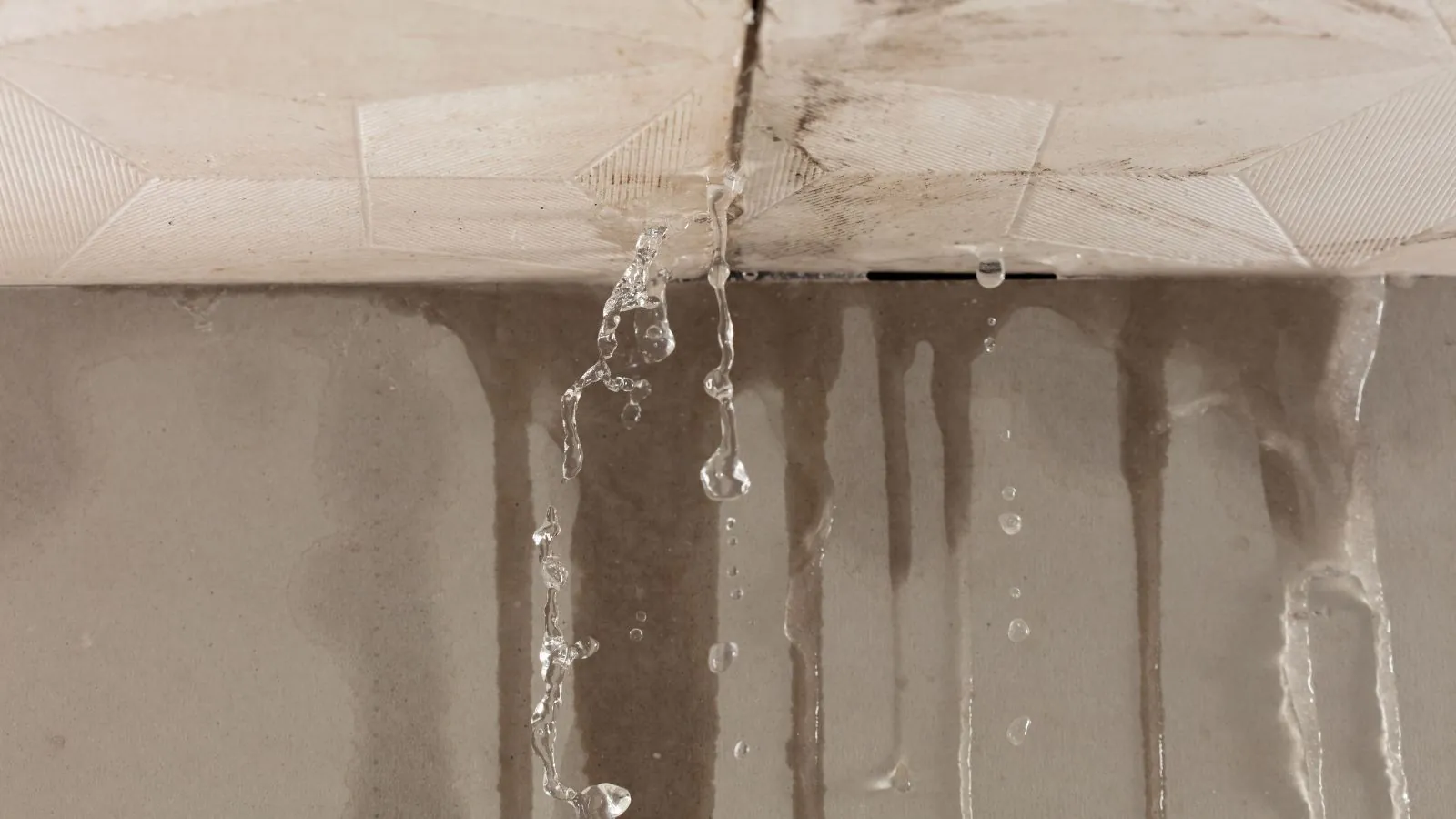
To prepare a home for storm season in Saint James, NY, you check the parts of the house that move water away, test the equipment that removes it and set up the records and alerts you will want afterward. Storm preparation means reducing the chance that rain, wind or rising groundwater turns into damage inside the building.
None of this takes a contractor. Most of it takes a ladder, a bucket, a flashlight and an open afternoon, and some of it can be done in minutes on the day a storm is forecast.
Move water away from the house first
Gutters and downspouts are the first line. Clear leaves and shingle grit from the troughs, flush them with a hose and watch the downspout outlet. If water spills over the edge or pools at the base of the wall, the system is not doing its job. Water that reaches the footing often ends up as basement water damage.
Downspout extensions should carry roof water several feet away from the foundation. Splash blocks that have sunk or tilted toward the house send water straight to the wall, so reset them or replace them with a longer pipe.
Next, look at the grade. The soil next to the foundation should slope away from the house, not toward it. A shallow dip along a basement wall or crawl space vent collects water, and a few wheelbarrows of fill soil can reverse that slope cheaply.
Test the sump pump and plan for a power cut
If you have a sump pump, test it by pouring a bucket of water into the pit. The float should rise, the pump should start, and water should discharge outdoors through the line without sputtering. Listen for grinding, and look for debris in the pit.
Storms often take out power at the same moment the pump is needed most. A battery backup pump or a water-powered backup keeps the pit working, so check the battery date and test it the same way as the primary pump. Without a backup, a short outage can leave a basement without protection.
Check the discharge outlet outside too. A line that is frozen, crushed or buried in debris will push water back into the pit.
Know your shut-offs before you need them
Find these now, label them and show every adult in the house. A wet floor is a poor time to start looking.
The main water shut-off is usually where the supply line enters the house, often near the water meter or in a utility room. The electrical panel should be easy to reach without standing in water. Fixture valves under sinks and toilets and the valve at the water heater stop smaller leaks without shutting the whole house.
If you cannot reach the breaker dry, do not wade in. PSEG Long Island advises customers to call 1-800-490-0075 to have power shut off at the meter, and a licensed electrician has to inspect before reconnection.
Storm checklist, with the task, timing and reason
The timing column uses plain advice and not weather claims. Do the routine items on a schedule, and do the forecast items when a storm is on the way.
| Task | When | Why |
|---|---|---|
| Clear gutters and flush downspouts | Twice a year and before a forecast storm | Blocked gutters spill water down the wall and into the foundation |
| Extend downspouts away from the house | Once, then recheck yearly | Keeps roof water from collecting at the foundation |
| Test sump pump with a bucket of water | Every few months and before a forecast storm | Confirms the float, pump and discharge line work |
| Test the battery backup | Every few months | A dead battery leaves the pit unprotected in an outage |
| Find and label shut-offs | Once, then recheck yearly | Lets anyone in the house stop water or power fast |
| Move valuables and papers up off the floor | Before a forecast storm | Basement and ground-floor items are the first to get wet |
| Photograph rooms and contents | Once, update after big purchases | Gives you a record for an insurance claim |
| Charge phones and sign up for alerts | Before a forecast storm | Keeps you informed if the power or internet goes out |
Move valuables up and build a photo inventory
Lift what you cannot replace. Photo albums, tax papers, passports, laptops and keepsakes belong on a shelf above the floor, in sealed plastic bins, or upstairs. In a basement, raise boxes onto pallets or sturdy shelves, and keep paper off cardboard.
Then walk through the house with your phone and record a video of each room, opening closets and cabinets. Add close photos of serial numbers on appliances and electronics. The New York Department of Financial Services tells policyholders to document losses before cleaning anything up, and a before photo shows what existed.
Store the files somewhere that is not in the house, such as a cloud folder or a relative's phone.
What to do when a storm is forecast
A short routine on the day pays off. Bring in or tie down patio furniture and loose items that wind can throw. Check that sump and discharge lines are clear. Move cars off low spots in the driveway, and put towels and a wet-dry vacuum where you can reach them.
Charge phones and power banks, and keep a flashlight and batteries in an easy place. Fill a few jugs of water, since the Suffolk County Office of Emergency Management advises avoiding tap water until you are sure it is not contaminated after a storm. Know your local utilities and keep their numbers on your phone.
If water does get in anyway, a page on storm water damage cleanup explains what professionals do next, so you know what to expect.
Saint James note: alerts, 2024 rain and groundwater
Suffolk County runs SuffolkAlert, and you sign up by texting SuffolkAlerts to 67283. Do it now, since it takes a minute and tells you when officials are sending warnings that could affect your street.
On August 18 and 19, 2024, the National Weather Service issued a flash flood emergency warning naming Smithtown and Stony Brook, with 6 to 10 inches of rain overnight and rates of 2 to 3 inches in one hour. A rate like that is a good reason to test your gutters and sump pump before a forecast. The same advice holds in Smithtown and Nesconset.
The Suffolk County Hazard Mitigation Plan says few Town of Smithtown properties lie in a FEMA special flood hazard area, yet groundwater flooding is a major concern that FEMA maps do not capture. A clean map is no reason to skip preparation. The same plan says Hurricane Sandy's wind damage to trees and structures was greater than its flood damage, so check limbs near your roof.
Frequently asked questions
How often should I test my sump pump?
Every few months is a reasonable habit, and again before a forecast storm. Pour a bucket of water into the pit and watch that the pump starts, empties it and shuts off.
Is a battery backup worth having?
If your pump is the only thing keeping a basement dry, a backup protects you during a power outage. Check the battery date and test it with water the same way you test the main pump.
What should I photograph for insurance?
Every room, closet and cabinet, plus serial numbers and receipts for big items. Store copies away from the house. Standard homeowners policies generally do not cover flood, so ask your insurer about it.
Where should I keep important papers during a storm?
In a sealed plastic bin on an upper shelf or upper floor, with copies stored digitally. Never leave papers in a cardboard box on a basement floor.
Should I turn off the power before a storm?
Only if you can reach the panel while standing on dry floor. If water has reached outlets and you cannot get to the breaker safely, call PSEG Long Island instead of entering the room.
Is my Saint James home at risk if it is not in a FEMA flood zone?
It can still be at risk. The county plan says groundwater flooding is a major concern and is not captured by FEMA maps. If water does get in, call the 24/7 line and we can talk through the first steps.