
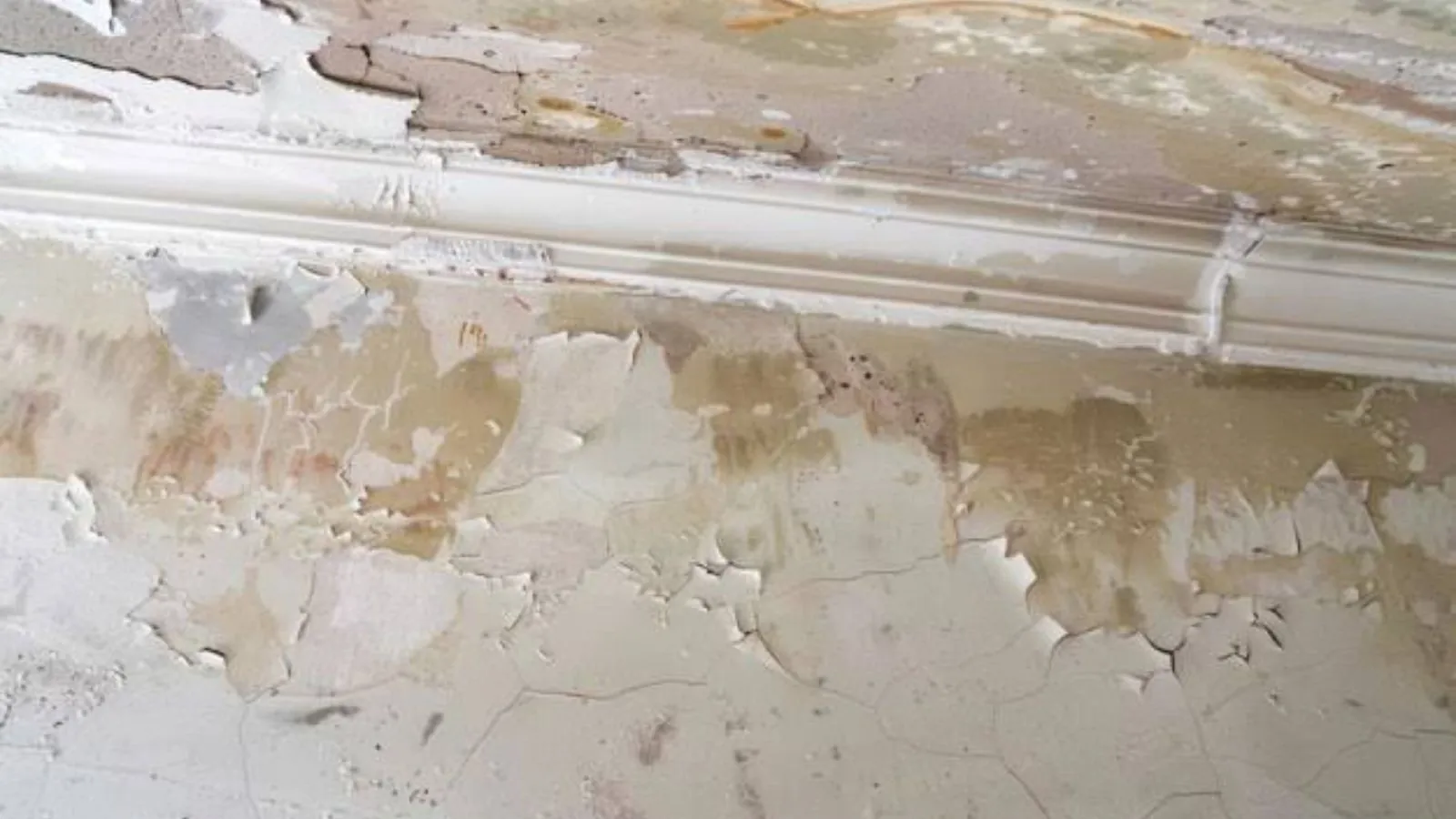
A water damage scope of work is the written list of tasks a crew plans to perform, room by room, with quantities and units. If you hold one in Saint James, NY, you may be staring at abbreviations and codes that mean little at first glance.
This guide is about reading and questioning a scope you already have. It explains how mitigation and reconstruction scopes differ, what the common terms mean, what insurance adjusters tend to look at, and which records should exist before the equipment leaves.
Scope versus estimate and where each one starts
A scope describes the work. An estimate attaches prices to that work. Many companies hand you one document that does both, but the scope is the part to read slowly, because a missing task never shows up as a price.
Start with the header. It should name the address, the date of loss, the suspected source and the water category. Then check that every wet room you know about is listed. If the kitchen leak also soaked the hallway wall, and the hallway is absent, raise it now and not after the crew has left.
Mitigation scope and reconstruction scope are different documents
The mitigation scope covers stopping the damage from growing. That means extraction, removal of materials that cannot be dried, setting air movers and LGR dehumidifiers, applying antimicrobial treatment where called for, and monitoring until readings reach a stated goal. Water extraction and drying belong here.
The reconstruction scope covers putting the house back. Drywall, insulation, trim, paint, flooring and cabinetry live in this scope, and it can be written later once drying is done and you know how much was removed.
Keeping the two apart protects you. You can approve drying right away without locking in finish choices, and an adjuster can review each piece on its own terms.
Scope terms in plain English
Line items are usually short and technical. The table below turns the common ones into plain words and gives you a question to ask about each.
| Scope term | Plain meaning | Question to ask |
|---|---|---|
| Flood cut | Cutting drywall off a wall at a set height above the floor to reach wet insulation | What height, and what did the readings show above the cut line? |
| Containment | Plastic sheeting and barriers that keep wet or contaminated areas separate | Which areas are sealed, and is any air scrubbing planned? |
| Air mover | A fan that pushes air across wet surfaces to speed evaporation | How many are set, and where? |
| LGR dehumidifier | A low grain refrigerant unit that pulls moisture out of the air | How many units, and for how many days? |
| Pack-out or content manipulation | Moving or storing belongings so the room can be worked on | Who moves items, and where are they kept? |
| Antimicrobial application | A treatment sprayed on surfaces to limit microbial growth | Which surfaces, and why those? |
| R&R | Remove and replace, a line that covers both tear-out and new material | Is disposal included, or a separate line? |
| Detach and reset | Taking off something like a toilet or baseboard and putting it back | Who handles plumbing or electrical disconnects? |
| Monitoring visit | A return trip to take and log moisture readings | How many visits are planned, and what ends them? |
Line items the way adjusters and insurers write them
Many insurers price claims from itemized databases, and some contractors write scopes in a matching format. Each line carries a short description, a quantity such as square feet, linear feet or each, and a unit price. You do not need to know a specific program, and no particular software is required for a scope to be valid.
What matters is that the lines are specific. Replace drywall, 120 square feet, one-half inch, is useful. Drywall repair is not. Specific lines let an adjuster compare the claim against the photos and the readings, and they let you see exactly what you are agreeing to.
What adjusters look at in a mitigation claim
Adjusters commonly check whether the described cause fits the damage, whether the date and the source are consistent, and whether each major line is supported by a photo or a reading. They also look for whether the equipment count matches the size of the wet area and whether drying days match the logs.
Rules and practices vary by carrier and by policy, so ask your insurer what records it wants. A scope that arrives with dated photos, a sketch of the affected rooms and daily readings is easier to review than one with only a total.
- Cause of loss and date, matched to the visible damage
- Dated photos taken before and during work
- Moisture readings at marked points, not just a statement that materials are dry
- Equipment count and days compared to the wet area
- Whether removed materials were actually unsalvageable
Moisture logs, daily monitoring and photos
A moisture log is the proof that drying happened. It records readings from a moisture meter at fixed spots, often marked on the wall or floor, plus air temperature and humidity. The crew also takes reference readings from a dry area of the same material, which sets the drying goal.
Ask to see the log on each visit and keep copies. Thermal imaging camera photos help find hidden wet spots, but they are a guide and not a measurement on their own. Structural drying is finished when readings reach the goal, not when a set number of days has passed.
- Confirm the log shows a starting reading for every marked point.
- Check that readings drop on each visit, and ask why if a spot stays flat.
- Make sure equipment is removed only after the goal is met and written down.
- Keep your own dated photos, taken before cleanup and after each stage.
Questions to ask before you approve a scope
Take a pencil to the document. Circle anything vague, anything missing and anything you cannot picture. Ask whether the scope can change, who approves the change and how it is documented.
Call (934) 223-1875 if you would like to talk through a scope you were handed, and keep your insurer informed. Sudden and accidental damage is often covered, gradual leaks often are not, and flood usually requires separate coverage, so check your policy.
Saint James note: ask whether the crew works to S500
ANSI/IICRC S500 is the published industry standard for professional water damage restoration, and it is the document that sets expectations for things like categories of water, drying goals and monitoring. Ask any company working in Saint James whether its crews work to it, and where that appears in the scope. If the answer is yes, you should see readings, goals and visit logs, not just equipment on the floor.
New York's Department of Financial Services tells policyholders to document losses before cleaning anything up, which is why photos matter before the first fan is placed. If your home is closer to Nesconset or Islandia, the same questions apply to any scope you receive.
Frequently asked questions
What is the difference between a scope of work and an estimate?
A scope lists the tasks and quantities. An estimate puts prices on them. Many documents combine the two, but reading the tasks first tells you whether anything important is missing.
Does my scope have to be written in a specific software format?
No. Itemized line-item formats are common because adjusters are used to them, but what counts is clear, specific lines with quantities and units. Ask for clarity, not for a particular program.
What is a moisture log and should I ask for it?
It is a record of moisture meter readings at marked points, with air temperature and humidity, taken on each visit. Yes, ask for it. It shows whether the drying goal was reached before equipment was removed.
Can the scope change after work begins?
Yes, and it often does once walls are opened. What you want is a change that is explained, photographed and put in writing before the extra work is done.
What if the insurer's scope differs from the contractor's?
That happens. Compare them line by line, note what differs, and ask each party to explain the gap with photos and readings. Your policy and your insurer decide what is covered, so ask them directly.
Is there a published standard I can ask a Saint James restoration company about?
Yes. ANSI/IICRC S500 covers professional water damage restoration and S520 covers mold. Ask whether crews work to them and where the scope shows it, especially in the monitoring and drying goal lines.